updates
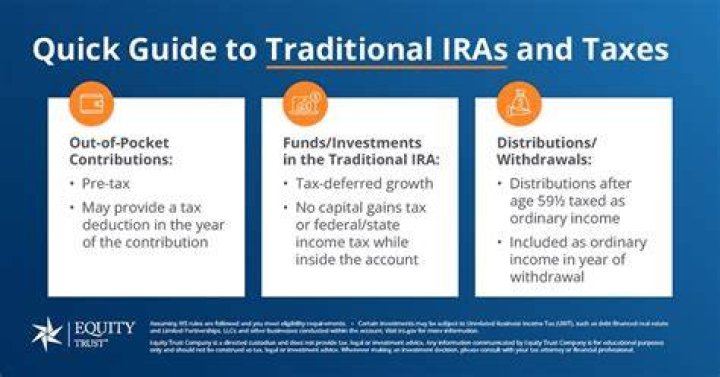
How do I know if I can contribute to a traditional IRA?
Having earned income is a requirement for contributing to a traditional IRA, and your annual contributions to an IRA cannot exceed what you earned that ye...
Aug 04, 2026 1 views
Expert insights and detailed technical documentation about Updates.
Having earned income is a requirement for contributing to a traditional IRA, and your annual contributions to an IRA cannot exceed what you earned that ye...
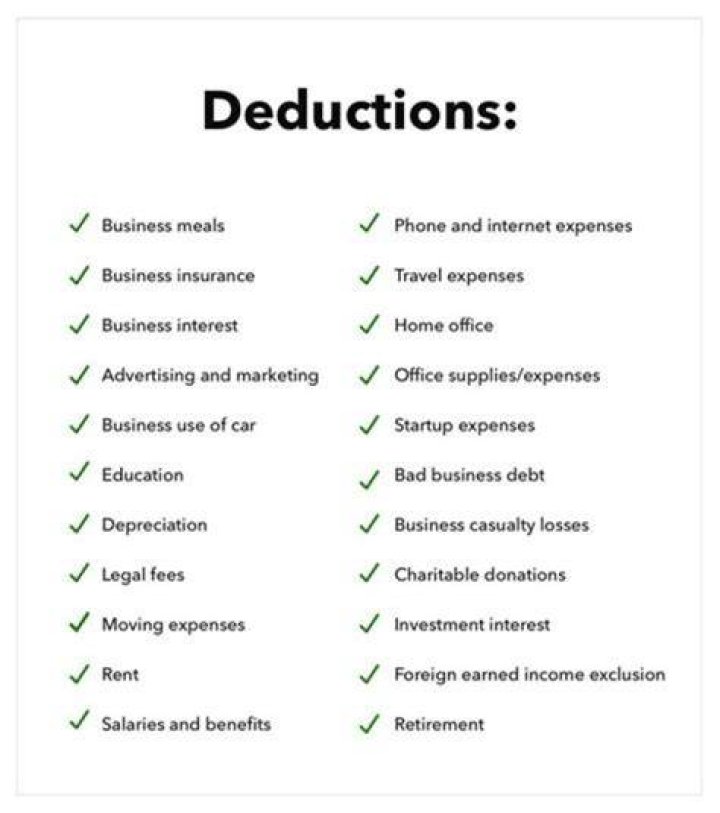
However, you use IRS Schedule K-1 to report your losses. If you’re the shareholder in a C corporation, the corporation deducts any losses, not the shareho...

It is necessary for every S corp to have an accounting plan that efficiently handles the capital accounts for all shareholders. For example, if an S corp ...

Purchased Loans means any Loans sold by Seller to Buyer in a Transaction, together with the related Records, the related Servicing Rights (which, for the ...
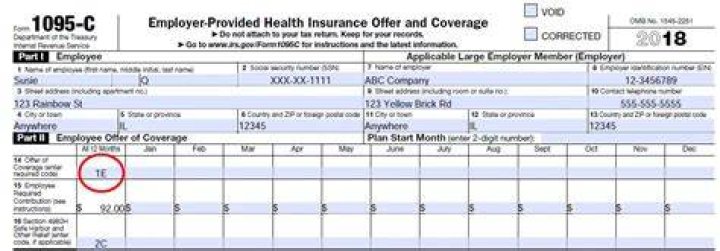
Below are the different codes that can be entered on line of the 1095-C: 2A: This code is simple; it means that the employee was not employed. 2B: The 2B ...
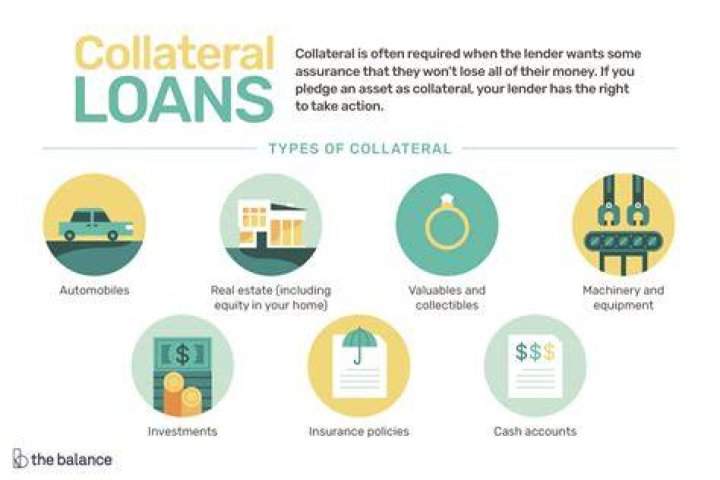
Mortgages, auto loans and secured personal loans are examples of loans that require some type of collateral. Mortgages would use your home as collateral, ...

The imputed income is the cost of coverage for the employee’s domestic partner and/or partner’s children. That portion is considered imputed income by the...
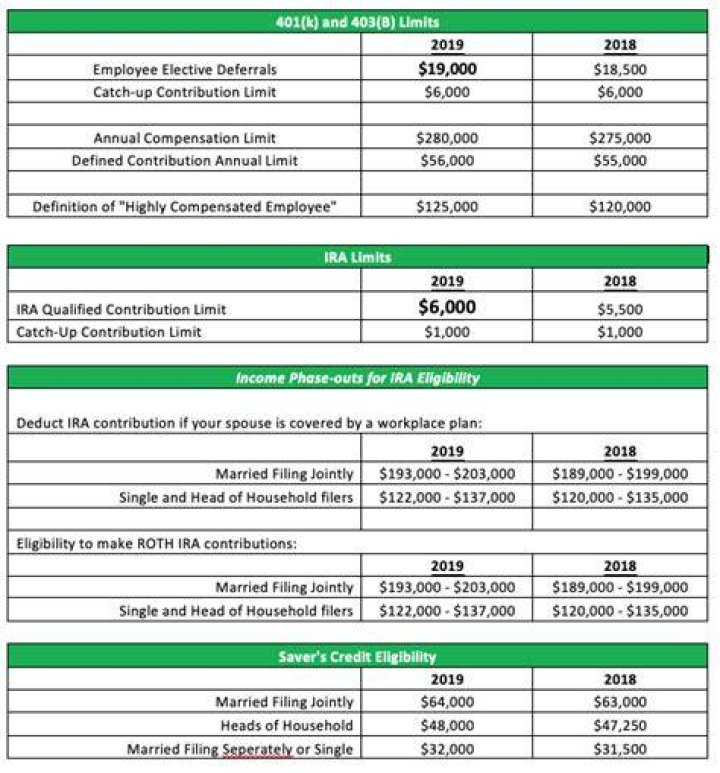
Highlights of Changes for 2019 The contribution limit for employees who participate in 401(k), 403(b), most 457 plans, and the federal government’s Thrift...
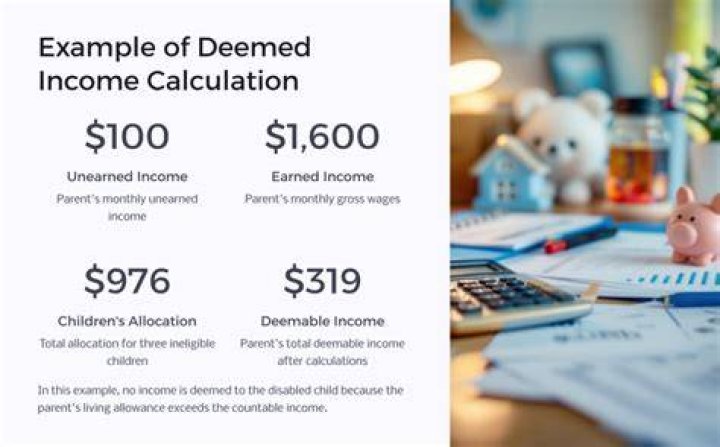
If the child has no earned income of his/her own, Social Security simply calculates the amount of the child’s SSI benefit by taking the parent’s deemed in...

This type of income is usually reported on Form 1099-DIV to the IRS and you. You will typically receive this form if you receive dividends totaling $10 or...
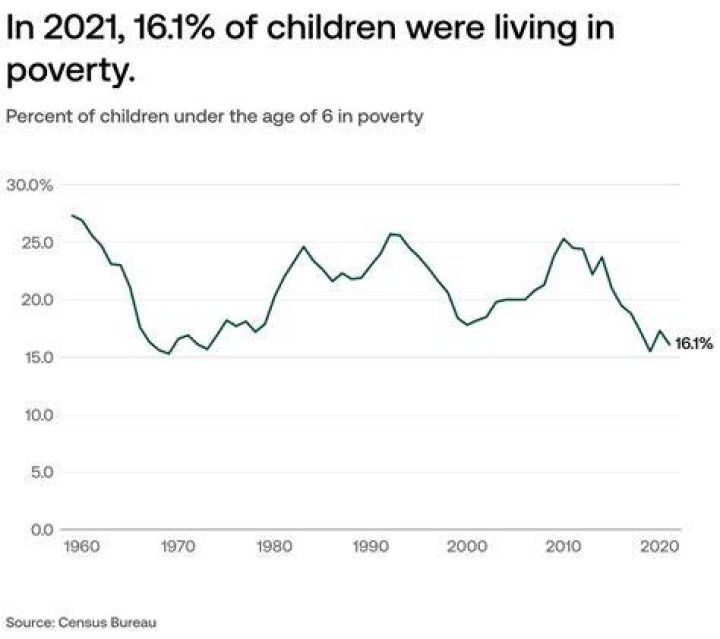
$26,500 For a family or household of 4 persons living in one of the 48 contiguous states or the District of Columbia, the poverty guideline for 2021 is $2...

With owner’s draw, you have to pay income tax on all your profits for the year regardless of the amount you actually draw. The Internal Revenue Service (I...
